
hollowhacker
Ghosts in the Spectrum:
The Radiance of Holography
In 2024, I signed up for my first Holography course. In 2025, I put things on pause when life picked up rapidly. This year, I was able to return to my passion in art and have completed two courses through Southwood Holographics. I'm currently enrolled in a third course through the International School of Holography.
I've had the honor of learning from master holographers, some of whom have been skillfully creating and teaching holography since the 70s. While I'm still a novice, I'm very excited to be learning from highly accomplished artists. This blog will document my journey creating holograms and exploring an exciting art form.
What is Holography?
Holography is a technique used to capture and later reconstruct a wavefront. Although it is most commonly associated with creating three-dimensional images, it also has important applications in areas such as data storage, microscopy, and interferometry.
A hologram is a recording of an interference pattern that can reproduce a 3D light field using diffraction. Optical holography requires the use of a laser light to capture or "record" the light field. The reproduced light field can generate an image that has the depth and parallax of the original scene.
Holography was invented in 1948 by physicist Dennis Gabor while he was trying to improve the resolution of electron microscopes. Gabor was focused on solving a problem in microscopy, and holography emerged as an unexpected result of that research. His work built on earlier experiments in X-ray imaging. Gabor later received the Nobel Prize in Physics for his invention and development of the holographic method.
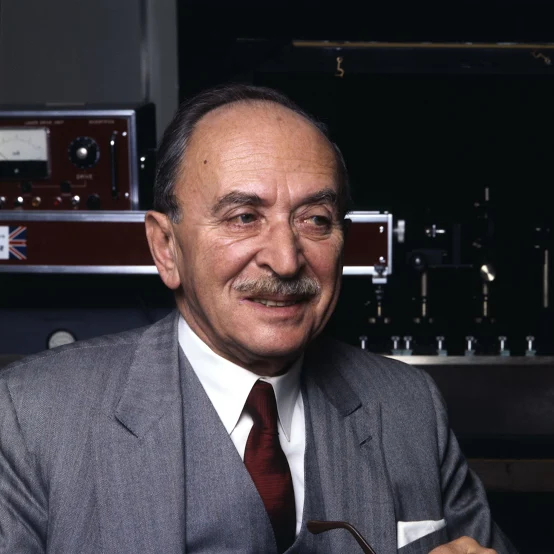
Optical holography remained largely experimental until the invention of the laser in 1960. Lasers provided a stable, coherent light source that made practical holography possible. In 1962, the first true optical holograms of three-dimensional objects were independently created by Yuri Denisyuk in the Soviet Union and by Emmett Leith and Juris Upatnieks at the University of Michigan.
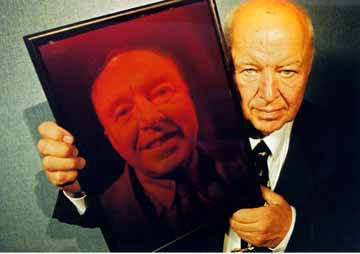
The earliest holograms were recorded on silver-halide photographic emulsions, materials similar to those used in traditional photographic film. These holograms were relatively dim because much of the light used to view them was absorbed by the recording medium. Over time, new processing methods were created that altered the material's refractive index rather than simply its transparency, producing brighter and more efficient holograms.
Why Holography?
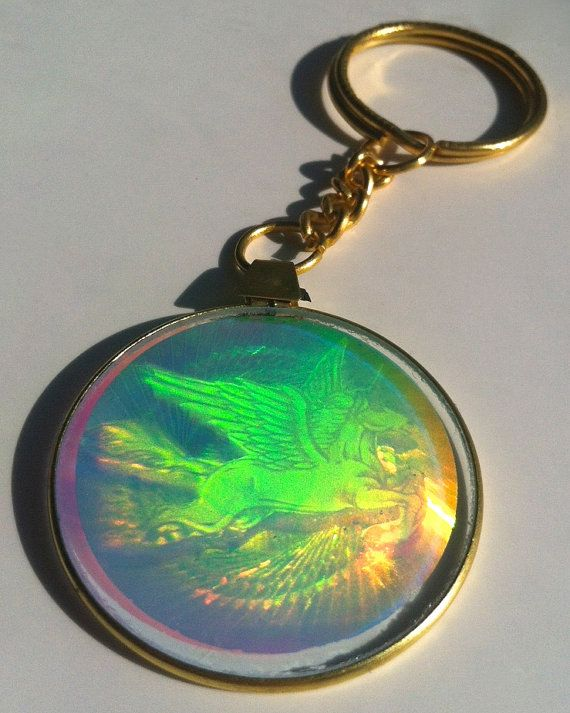
I've always loved optical illusions and interesting art forms. I first discovered holograms as a small child around nine years old, when I encountered a keychain display at a Walmart in Indiana. The display held holograms in the form of a simple, round keychain.
The holographic images varied from religious imagery to unicorns and even an eye, the latter of which I must have begged my parents to buy for me. They were cheap back then, I believe the actual price was only around two dollars for one keychain. I carried it with me for quite a while, tilting it in the light to see the depth of the image and the color-changing effect. Eventually, I lost it as children often lose small objects, and it was never to be seen again.
Later, I expressed my love of holographic art to a friend. They gifted me an almost identical holographic eye on a friendship necklace. They crafted the necklace from a pair of glasses that featured the holograms in place of regular lenses. I was eager to learn holography as it is considered a dying art. I wanted to help keep this mesmerizing tradition alive!
Ironically, holography is considered a dying art because it became so successful. Once holograms started appearing everywhere, from credit cards to product packaging, much of the wonder and novelty that made them so captivating began to fade. At the same time, creating traditional holograms remained an expensive and technically demanding process. Recording physical objects often required powerful lasers, vibration free environments, and a deep understanding of analog optics. As digital technologies such as virtual reality and 3D rendering became more accessible, holography gradually slipped out of the spotlight.
The medium also presents unique challenges when it comes to exhibition. Unlike a painting or photograph, a hologram must be illuminated correctly and viewed from specific angles to reveal its full effect. This makes displaying holographic works in galleries and museums a complicated process.
While some dedicated holography museums, such as the former Museum of Holography in Soho, have disappeared, the art form itself is far from dead. Organizations such as the Center for the Holographic Arts continue to preserve the medium, teach new generations of artists, and explore ways of combining traditional analog techniques with modern digital tools.
Creating My First Hologram
My passion for holograms drove me into the field of holography and kickstarted my learning. I enrolled in three courses, the last of which I am currently enrolled in. In order, they are:
- Creating Holograms taught by Melissa Crenshaw
- Creating Holograms from Computer Graphics Images taught by Jacques Desbiens
- Understanding Holograms taught by Linda Law
In addition to these courses, I got ahold of two essential texts:
- Holography Handbook: Making Holograms the Easy Way by Bob Schlesinger, Fred Unterseher, and Jeannene Hansen
- Practical Holography (4th Edition) by Graham Saxby and Stanislovas Zacharovas
I'm still working my way through the Holography Handbook and gathering supplies for a dark room and vibration stabilization table. I gained a lot of insight and helpful information from Melissa's course and felt confident enough to try my hand at a kit.
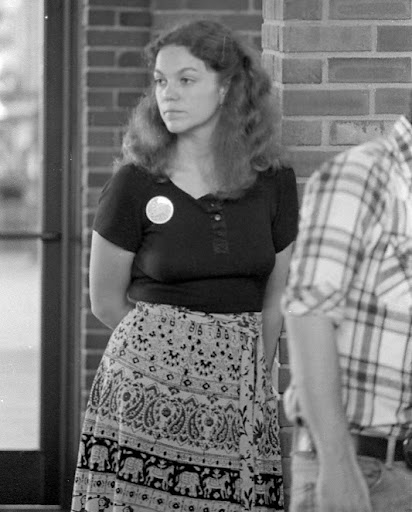
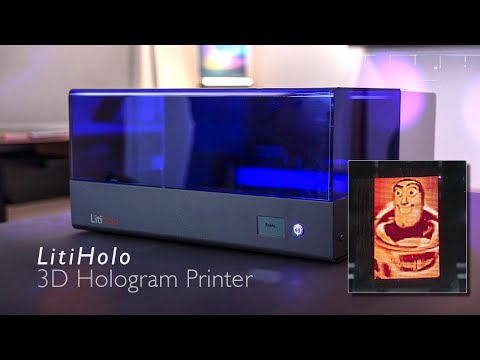
I ordered my first kit from the wonderful folks at LitiHolo, who specialize in consumer-accessible, instant 3D laser holography kits and desktop hologram printers. Originating from research at the MIT Media Lab, the company is widely known for removing the complex chemical developing process traditionally required to produce a real hologram, replacing it with a proprietary photopolymer film plate that self-develops during laser exposure.
I planned to create my first holograms and then hold a workshop for a collective that I founded this year, to share the history of holography and allow members of the collective to try their hand at creating a hologram.
There was some delay in the shipping, but Litiholo got back to me and sent out their kit. I also ordered a reflection hologram upgrade. The upgrade would permit me to create holograms that are visible under white light, also known as Denisyuk holograms, in contrast to transmission holograms which require a laser light to replay the image.
I had no darkroom, so I used one of the bathrooms in my apartment. Placing a towel under the door to reduce any incoming light leaking in and gently lowering the stand and laser into an empty bathtub.
This process is extremely sensitive to vibration. As we live near train tracks and frequent traffic, I had to wait for a relatively silent moment to then lift a paper shutter to expose the film plate to the laser. I had to be careful not to bump or shift the glass plate, which was set either in front of, or on top of the object to be captured.
I experienced three failures before managing to create my first transmission hologram, which partially captured beloved ye olde internet icon, Homestar Runner.
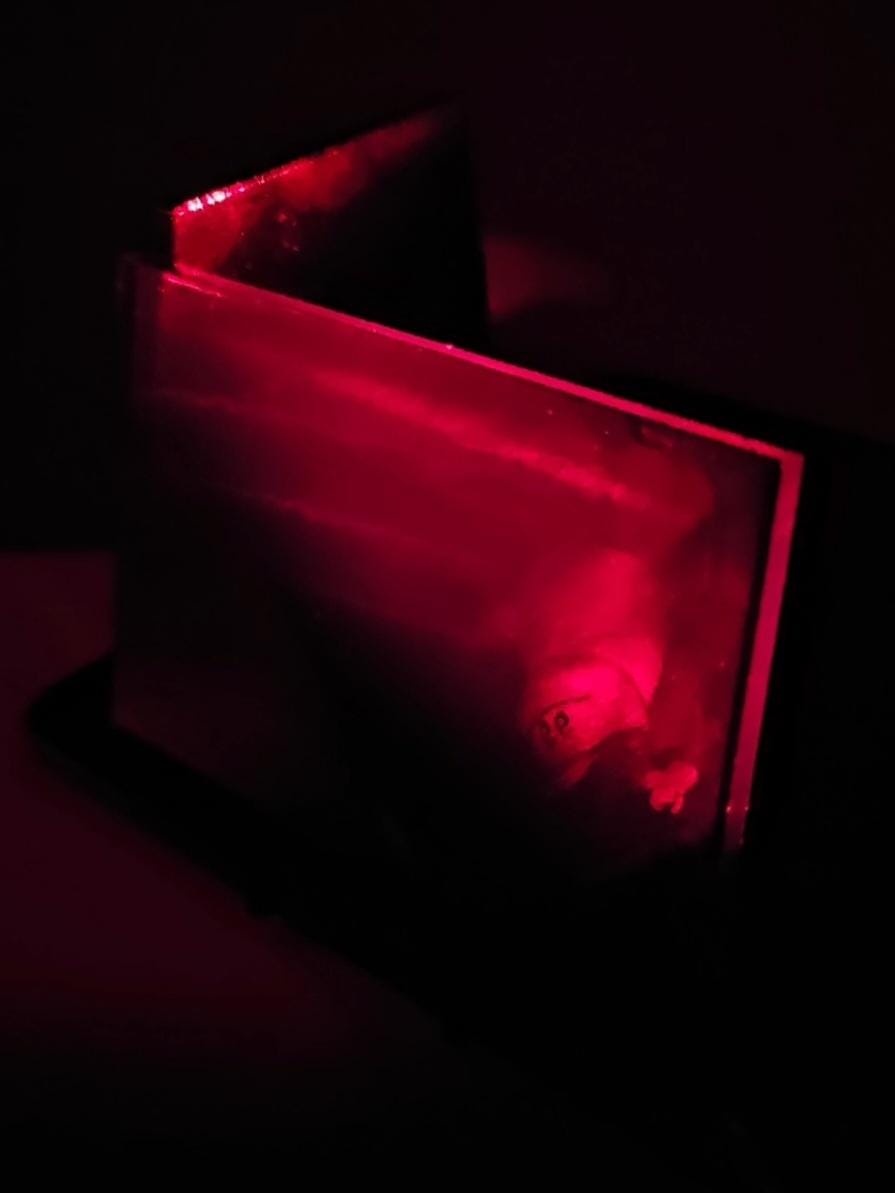
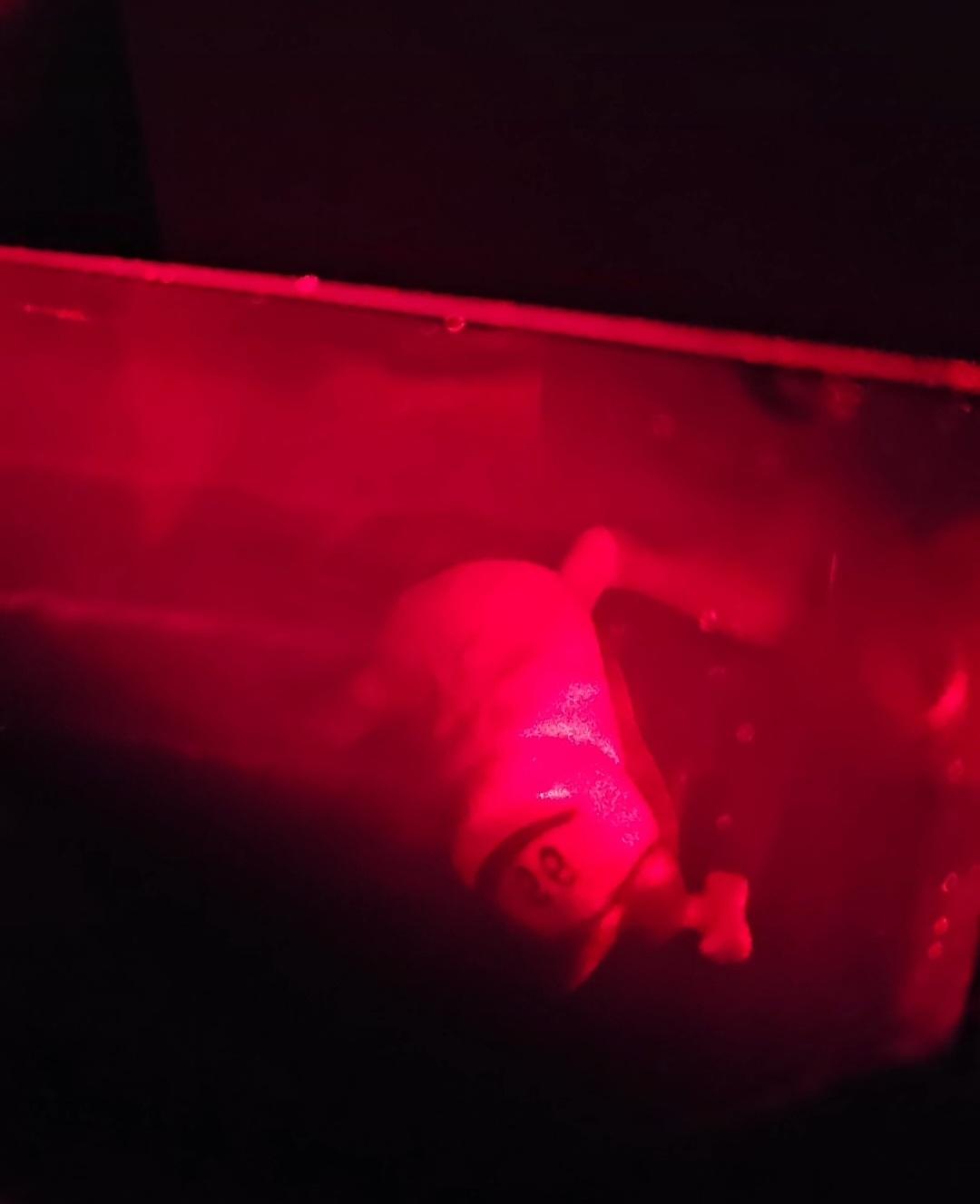
My first ever semi-successful hologram.
Next, I tried my hand at creating reflection holograms. Out of several mistakes and a few "dud" plates I managed to create a handful of holograms I was somewhat satisfied with, ranging from buttons, a model of an Apple IIe, an OSVDB challenge coin, and even familiar Windows mascot, Clippy.
I posted them to my Instagram page and was met with a stream of followers and comments by fans of the effect and intrigued, prospective buyers.
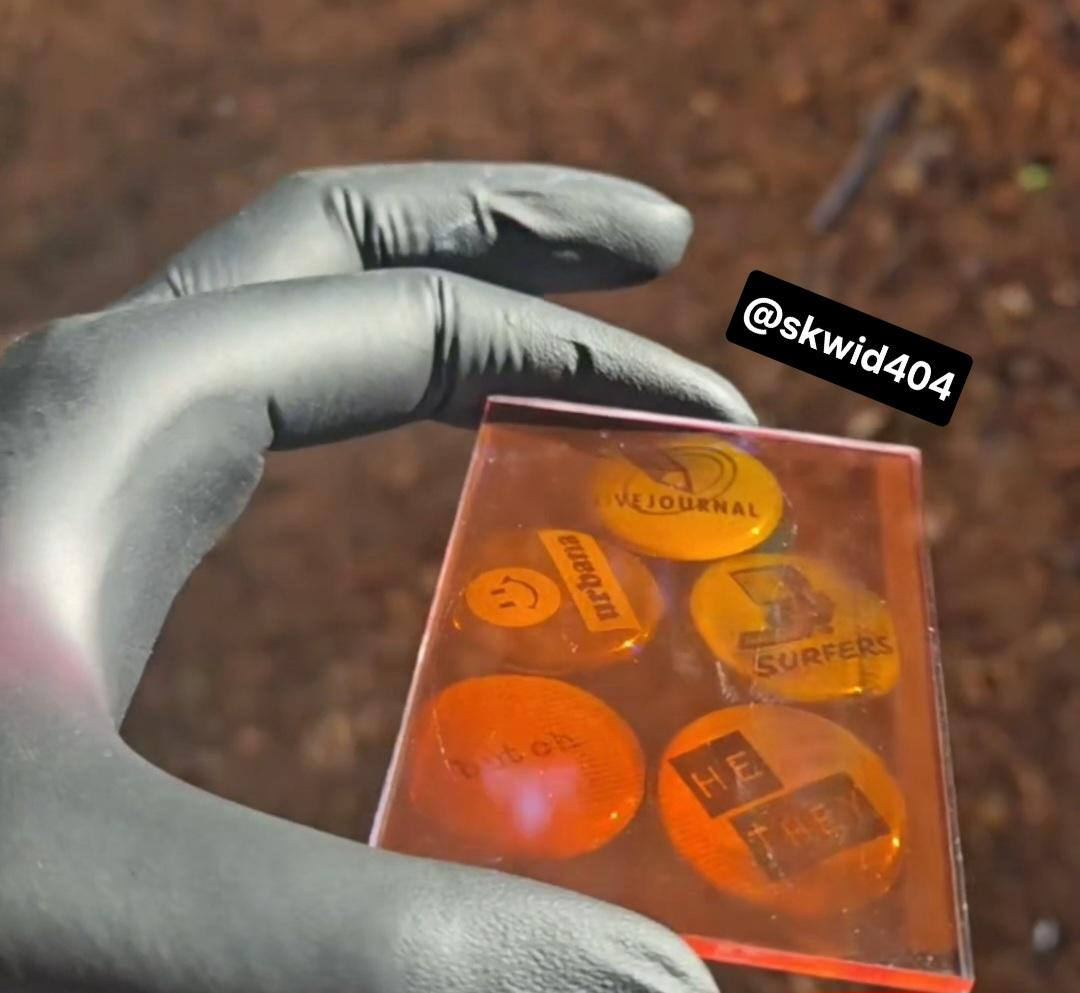
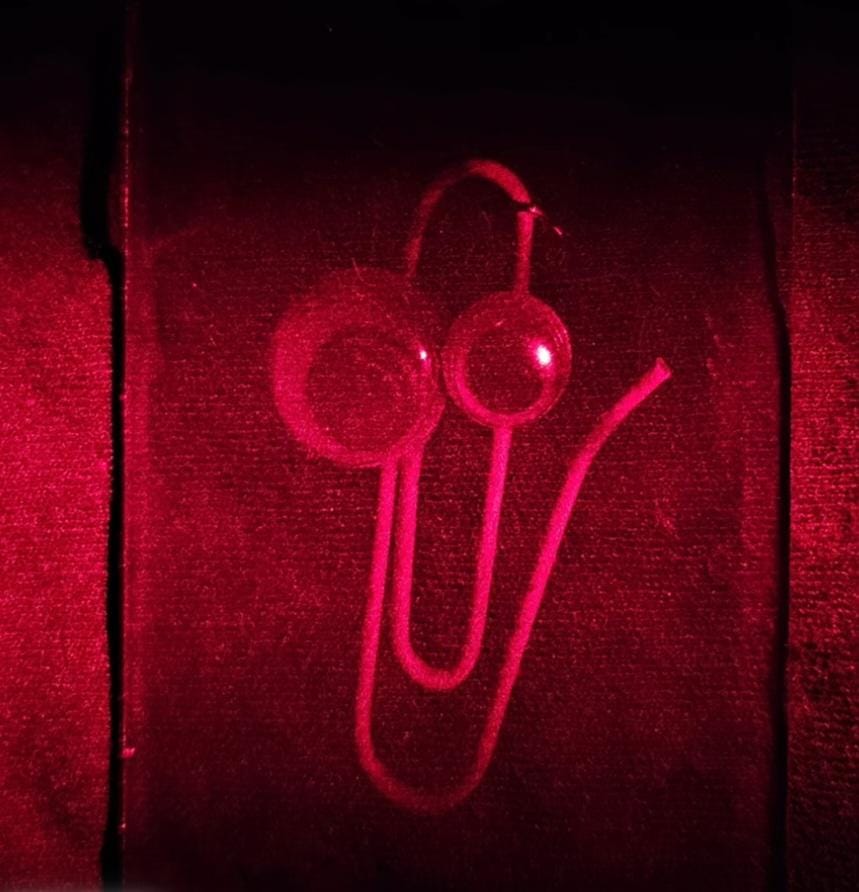
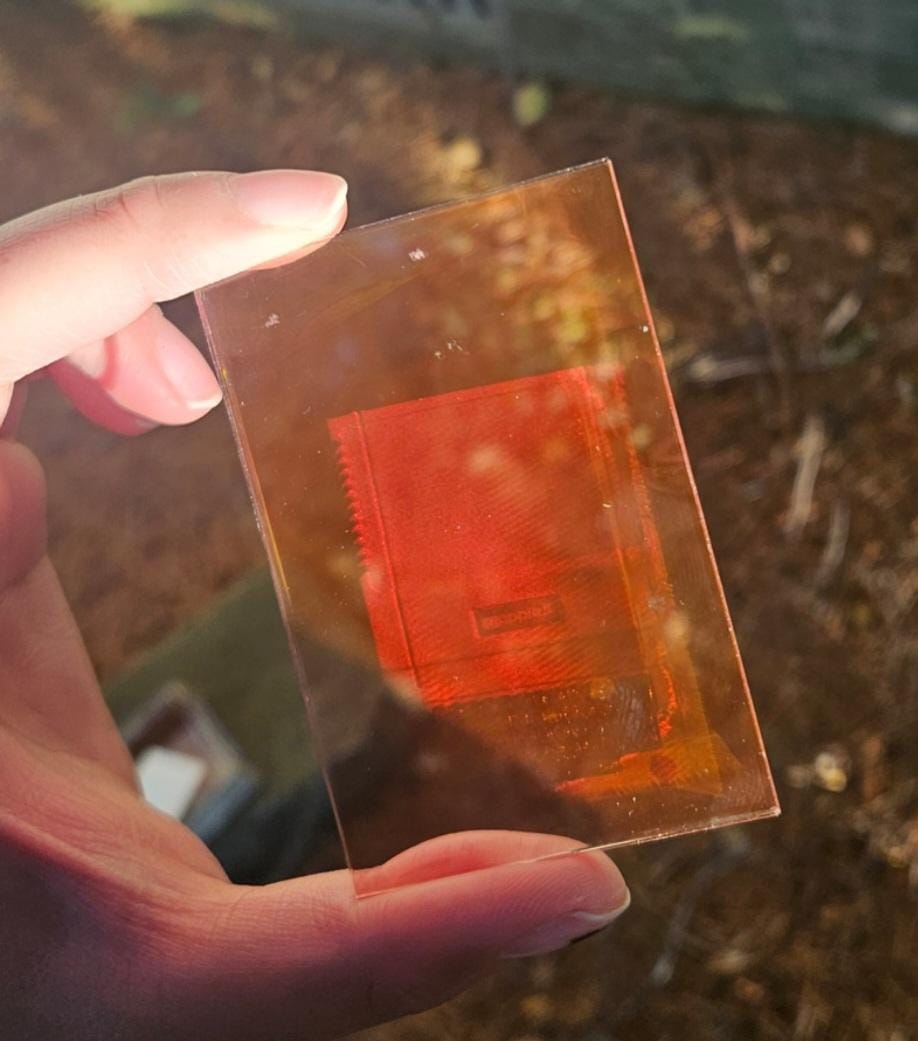
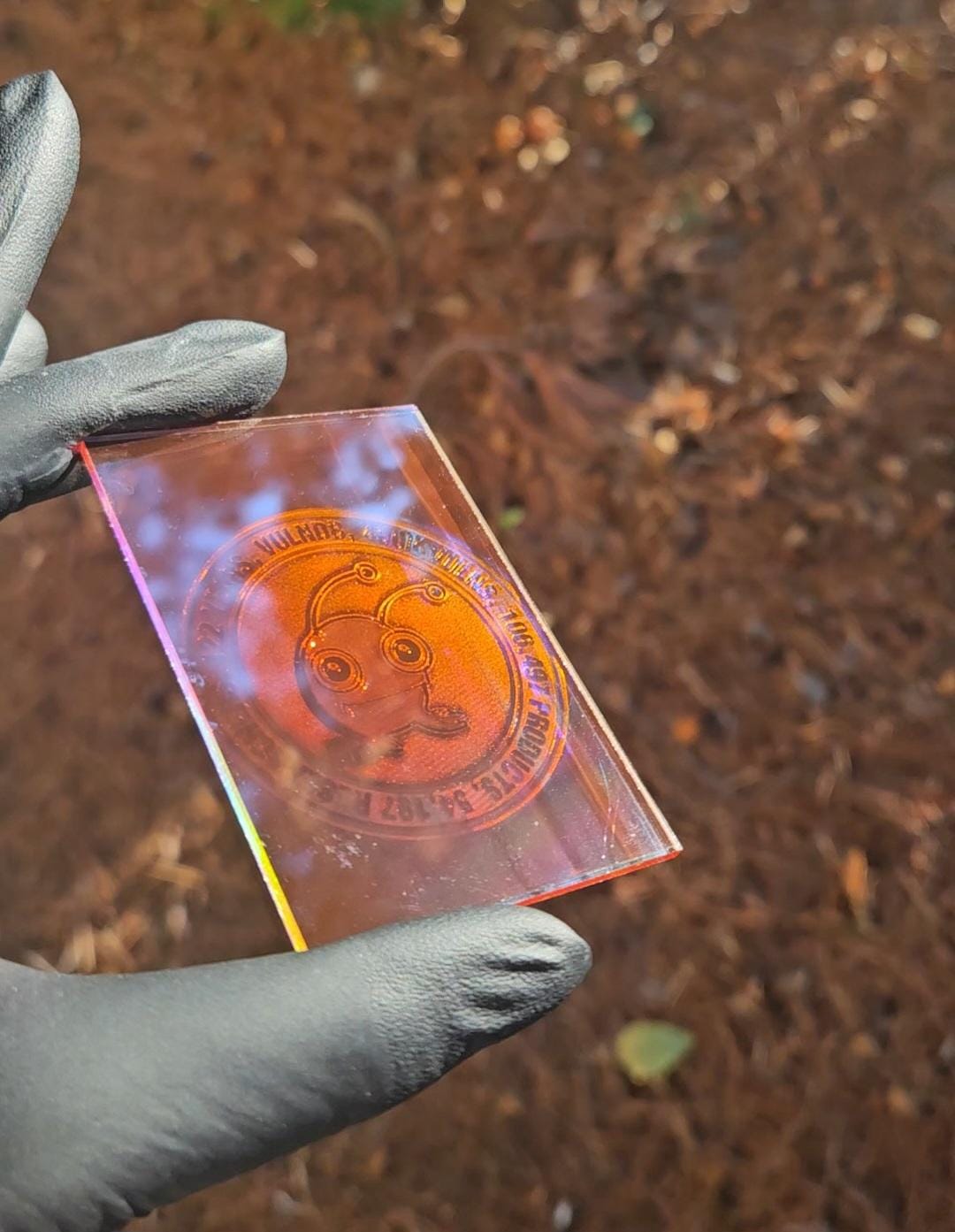
The images are clearer under the laser, but still eye-capturing when manipulated under white light.
I'm very excited to have started my journey into holography. I have a lot of ideas for my creations and have been inspired by several holographers, jewelers, and glass-artists.
I'll update this page as I make progress so be sure to check back from time to time! You may eventually be able to catch a specific piece on sale at some point in the future as I gradually improve my process and learn emulsion.
I also play around with other art forms, including acrylic and digital art, as well as bleach art/reverse tie-dye and Suminagashi ink prints. If you're interested, you can take a peek at my gallery.
